Starting a complete analysis of automated tools developed to perform edge finishing feature changed manufacturing routines, providing remarkable advancements in velocity and precision. This article examines the varied types of systems, including buffing blasting components, rotary instruments, and advanced robotic solutions. We will present the advantages of adopting these advancements, including lower employee overhead, improved manufacturing precision, and enhanced throughput levels.
Outline Smoothing Units: Accurate Refining Elaborated
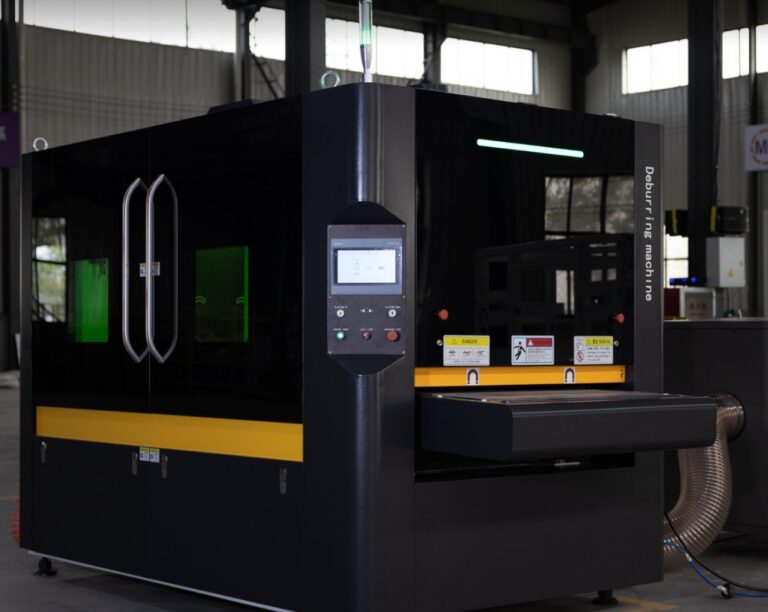
Edge beveling tools offer a sophisticated solution for obtaining spot-on finishing on components. Contrary to manual styles, these computerized apparatuses yield consistent performance and markedly strengthen production productivity. Those units generally implement different grinding appliances like whirling blades, polishing drums, or unique contours to cut away sharp ends and spurs. That kind of activity is necessary in a ample selection of sectors, like healthcare and digital.- Refine covering caliber
- Lessen manufacturing expenses
- Elevate volume and effectiveness
Impurity Extraction Systems: Obtaining Clean, Exceptional Appearances
Recent metal processing routines predictably yield significant amounts of impurities, a byproduct that, if remaining, can severely compromise the condition of the conclusion. Fortunately, advanced waste disposal devices offer a robust solution. These tailored machines, employing techniques like polishing, are designed to meticulously eliminate this unwanted material, ensuring a pure and outstanding surface. The resulting positive effects include decreased rejection rates, better aesthetic appeal, and an overall escalation in operational performance. By utilizing state-of-the-art slag removal technology, manufacturers can consistently deliver premium surfaces and achieve stringent norms.
Sheet Metal Polishing: The Benefits of Deburring Apparatuses
Reaching a leading coating on sheet metal components is necessary for efficiency, and deburring equipment grant considerable advantages over conventional methods. Reducing burrs timely not only boosts the aesthetic quality of the article, but also avoids foreseeable problems during putting together and employment. Furthermore, digital deburring techniques strengthen manufacturing tempos and lower manpower expenses.
Improving Sheet Metal Production with Automatic Deburring
For raise productivity in sheet metal assembly, consider self-operating deburring methods. Conventional deburring is ordinarily labor-intensive and subject to inconsistencies. Adopting self-operating deburring delivers notable merits, like reduced worker expenditures, advanced part quality, and boosted industrial efficiency. This outlays are likely to quickly prove worthwhile.Identifying the Fitting Deburring Device for Your Task
Choosing the premier deburring machine for your unique needs entails a exacting assessment of several features. Initially, assess the classification of element you're operating on – aluminum requires varying techniques than polymer. Following that, scrutinize the proportions and outline of the parts needing surface cleaning. At last, contemplate your output level; a extensive operation asks for a custom type of mechanism than a restricted one. Failing to account for these points can lead to poor results and additional investment.
Deburring Machine Method: Shifts and Upgrades
Fresh edge refining instrument application is involved in rapid growth, motivated by the insistences for augmented exactness and throughput in fabrication operations. Significant shifts involve the combining of computerized tools for adaptable deburring workflows, alongside progress in surface treatment device. We're besides monitoring a expansion in easily carried edge finishing devices designed for localized jobs, and groundbreaking strategies like plasma polishing are collecting popularity. The future reveals towards increased integration of finishing tools within the integrated factory context.
Boosting Customized Element Performance with Profile Beveling
Many manufacturing processes for brass parts introduce sharp edges, which can cause stress clusters and susceptibilities that compromise overall robustness. Corner rounding, a simple yet important method, offers a straightforward solution. It incorporates slightly smoothing the jagged edges of a piece during the construction stage. This lowers stress regions, increases longevity lifespan, and can control chipping. Benefits are further amplified when dealing with complicated designs or parts subjected to strong stress. Considerations include the correct curvature of the shape and its bearing on assembly with other units.
- Mitigates Stress Areas
- Elevates Fatigue Capacity
- Obviates Cracking
Impurity Separation vs. Edge : Recognizing the Discrepancies
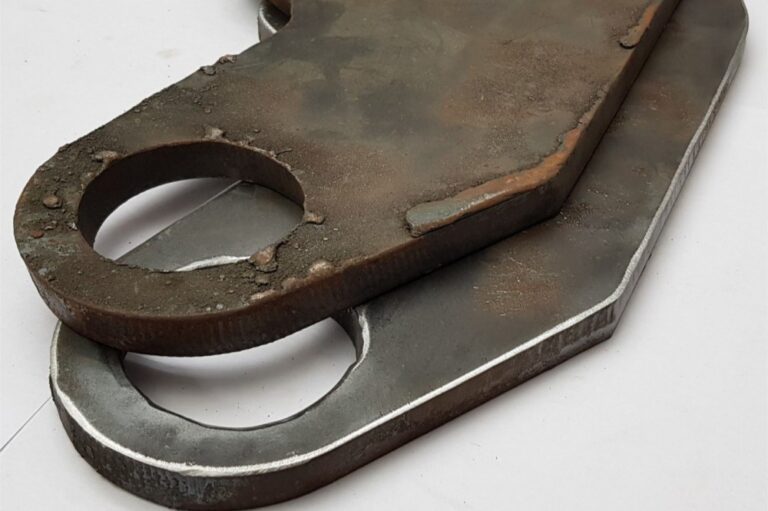
While many operators use the designations “slag removal” and “deburring” without distinction, they indicate distinct processes in metal production activities. Bur reduction focuses on removing the sharp, often tiny, excrescences created during forming operations—these are excess material of stock left on the element. Byproduct withdrawal, conversely, addresses the residue – typically a blend of contaminants – that emanates during processes like shaping. Essentially, deburring deals with secondary lips, while slag disposal deals with such scrap of a other action. To sum up, intelligent deburring and slag removal tools are indispensable components of modern metal assembly that maintain outstanding finished products with limited defects and strengthened efficiency.Completing this overview highlights the paramount role of state-of-the-art automated deburring technologies in defining industrial benchmarks and assisting businesses sheet metal edge rounding solutions reach improved productivity and quality.