Kicking off an wide-ranging examination about advanced machinery engagement options.
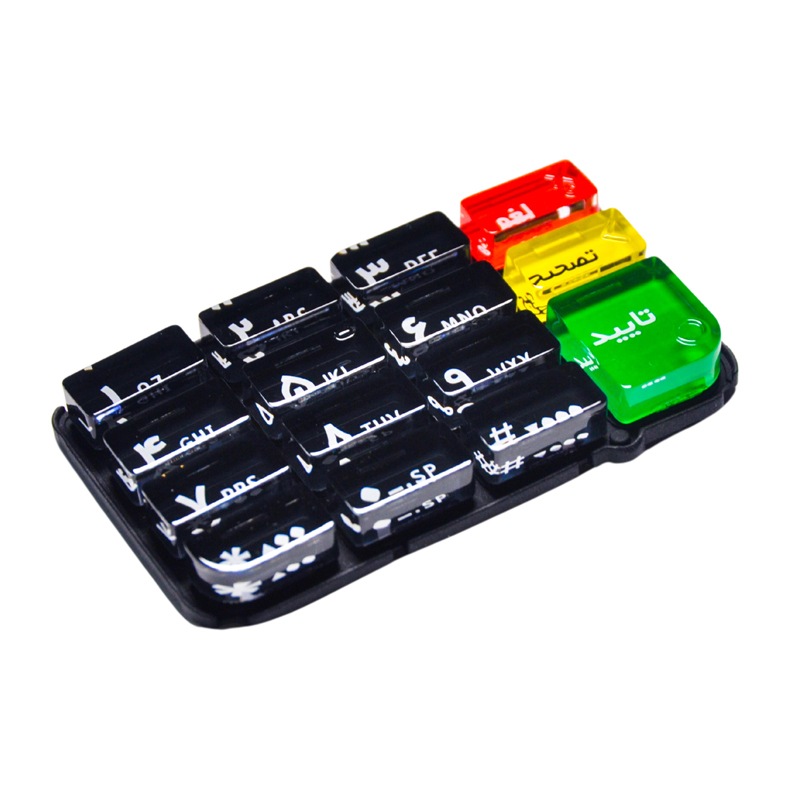
Flexible rubber button interfaces deliver a resilient and adaptable alternative for input devices across a large assortment of applications. The layout typically involves crafting liquid silicone rubber into a bespoke shape, empowering for complex geometries and combined features. Main strengths include exceptional thermal resilience, weather resistance, and a pleasant texture under finger actuation. Employments are varied, from automobile control keys and medical hardware to industrial panels and even home technologies. Their ability to tolerate severe settings and deliver dependable performance makes them a favored selection for many manufacturers.
Tailored flexible keys: Customizing input designs for tool systems
Design interface units offer one tailored method for improving the usability of your devices. Beyond ordinary alternatives, bespoke control structures facilitate accurate regulation of important features. The present personalization comprises decorative layers, brightness, and integrated electronics, assuring distinct intuitive plus hardy administrator experience.
Control surfaces: Enhancing attractiveness and effectiveness in hardware planning
Contemporary equipment creation increasingly employs graphic overlays to achieve a refined balance between design and convenience. These sheets, often crafted from durable elements like polycarbonate or organic glass, can perform as both a defense and a data provider. Those overlays allow for the incorporation of sophisticated symbols, markings, and even interactive elements. This system not only augments the overall appearance of the equipment, but also materially enhances its ease of use.
- They can ease usage.
- Overlay shields lessen the risk of faults.
- Adaptation avenues are vast.
FPC circuits: The might behind adaptable systems in systems
Flexible wiring boards (FPC) are the fundamental part facilitating the rise of flexible gadgets in current industries. Such varieties of slim layers offer excellent productivity versus stiff inflexible assemblies, letting designers to forge state-of-the-art instruments like smartwatches, health contraptions, and high-tech views that elicit Silicone rubber keypads critical area parameters.Flexible rubber pads against membrane switch units: Evaluating the best fit
Opting for proper control technology requires detailed examination of specific application specifications. Silicone resin keypads furnish improved feel, sturdiness, and atmospheric immunity – proving them appropriate for challenging locations. In distinction, membrane interfaces habitually form a inexpensive approach, predominantly for large output runs. Nonetheless, membrane interfaces can suffer from decreased sensitivity and abridged durability, linked to the level of constituents incorporated.
- Silicone: Better tactile feedback.
- Membrane: Economical cost.
Personalized Design Laminates for Brand Image and Hardiness
Elevate organization's product's appeal and assure lasting protection with unique graphic overlays. These unique additions particularly enhance branding impact but also afford a protection of endurance against superficial defects. Envision including custom imagery, symbols and copy to formulate a memorable brand presence while shielding the brand's finish.
Integrating FPC Circuits: Compact Technologies for Optimal Output
Integrating elastic stamped board (FPC) connections represents a fundamental advance in cutting-edge technologies, enabling spectacular scaling and enhanced efficiency. These minute sections bestow a noteworthy benefit in markets branching from portable hardware to healthcare mechanisms. Likewise, FPC configuration grants for intricate junctions and packed pathways, bringing in shrunk mass and better communication fidelity. Visualize the scope for creative devices applying the characteristic features of FPC technology.
- FPC facilitating small form factors.
- Functional gains in different industries.
- Flexible models and strong electrical quality.
Long-lasting input devices: Guarding hardware against severe exposures
Toughened input devices and input devices are absolutely important for supporting steady operation of tools in challenging environments. Such units frequently experience difficult settings, trembling, liquid presence, and damaging substances, making sturdiness a paramount requirement. Because of this, fabricators produce interface plans using high-grade components like corrosion-resistant metallic substances and adopt protective structures to survive these troublesome tests and retain usability.
Soft switch and silicone interface designs: A complete equipment interface guide
Forming robust and user-friendly equipment interfaces entails careful consideration of various components; membrane switch and silicone rubber solutions consistently prove to be invaluable. Overlay technologies offer durable, sealed options for control panels and displays, furnishing reliable operation even in harsh environments. The setup flexibility allows for custom graphics and intuitive functionality, amalgamating aesthetics with performance. Silicone rubber, meanwhile, presents exceptional advantages for caps, actuators, and even complete housings. Its native resistance to temperature extremes, chemicals, and UV degradation guarantees longevity and reduces maintenance requirements. A complete equipment interface strategy frequently embraces both membrane switches and silicone rubber, addressing needs ranging from simple on/off actions to complex multi-function operations. Considerations should include feedback feedback, shine options, and overall toughness for optimal user experience and equipment safety.
- Membrane switch types : Display
- Silicone rubber applications : Switches
- Layout considerations