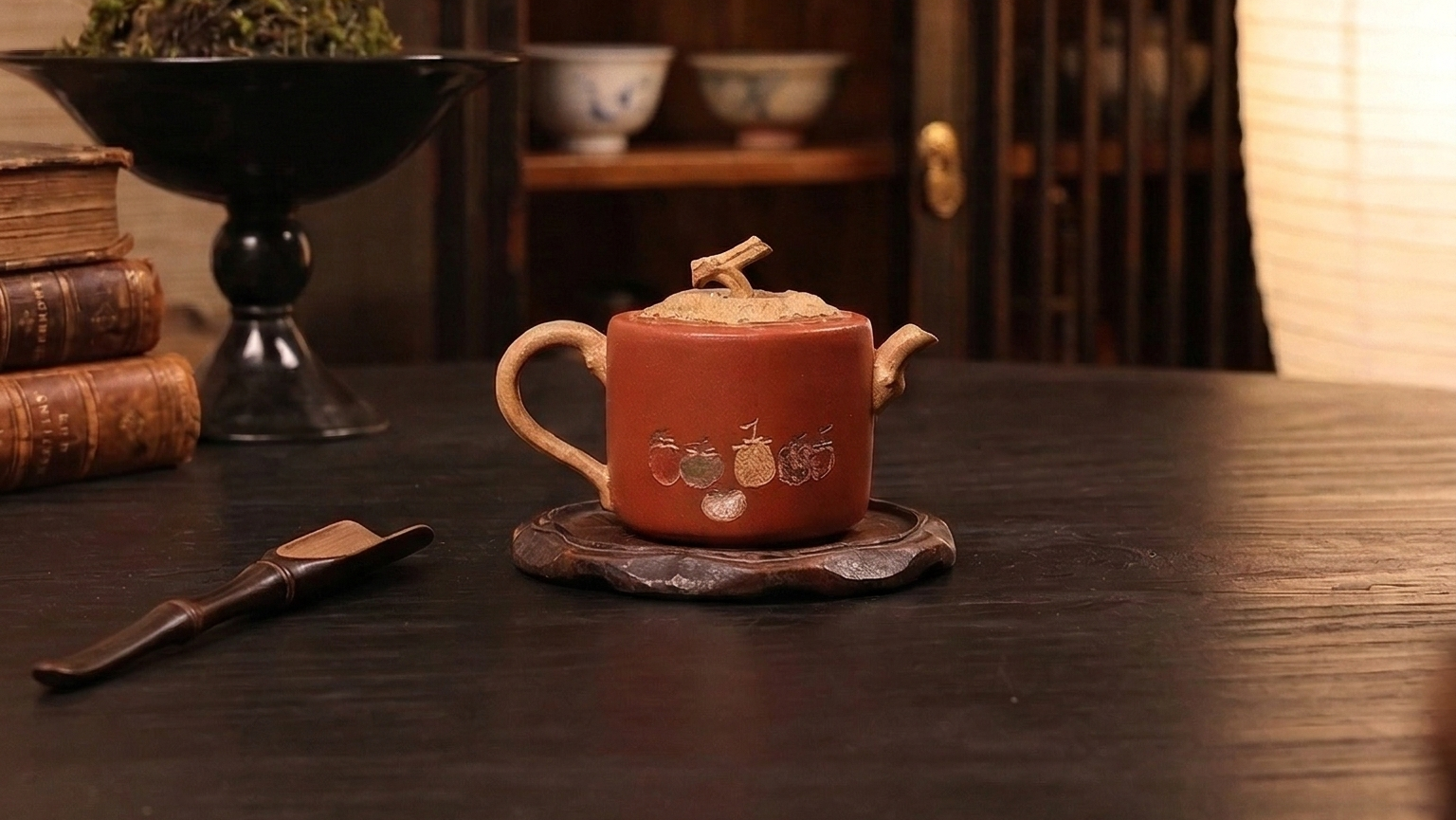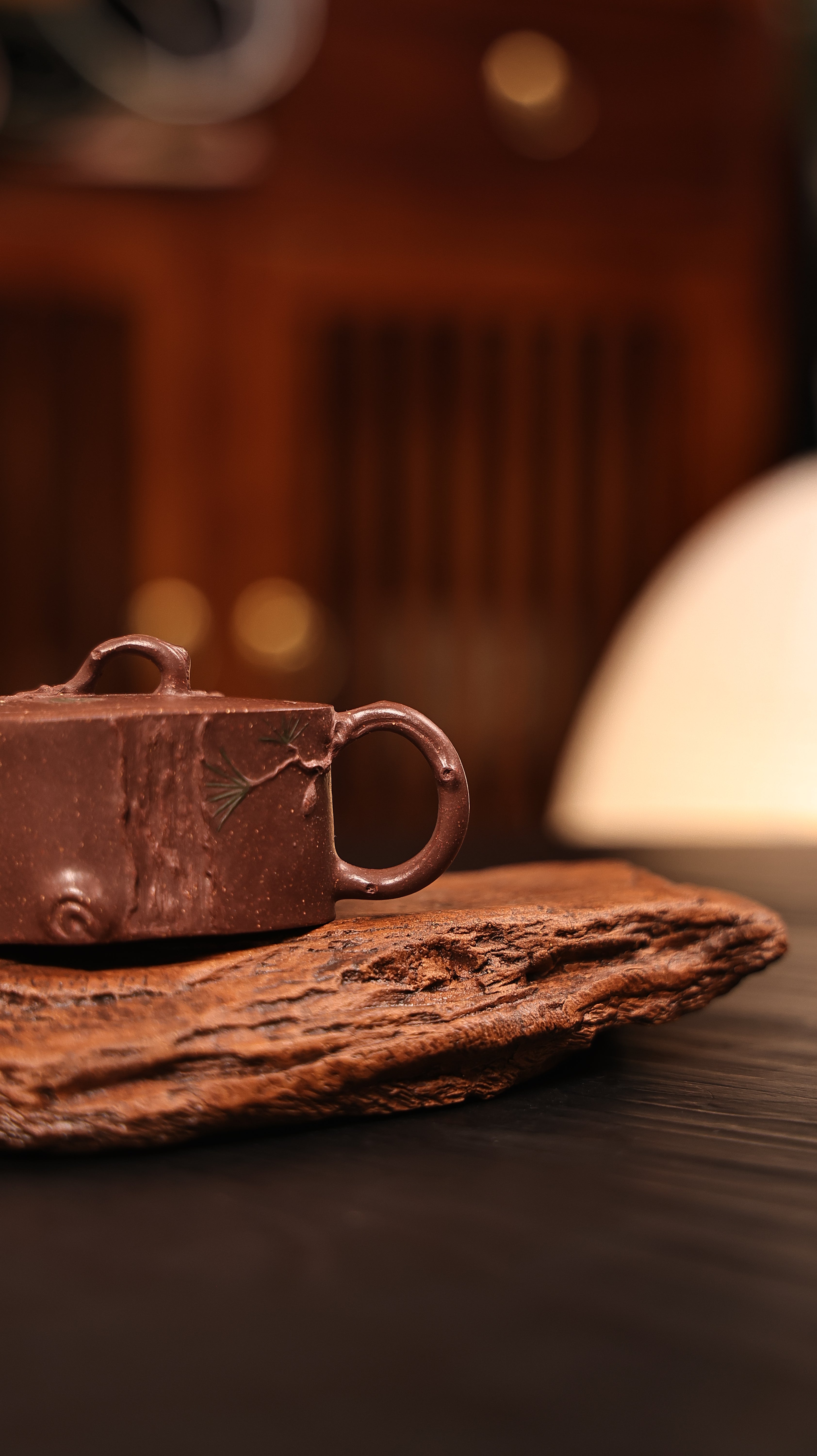
Enduring background establishes Jiangnan jugs through ages,
Manifesting rare features sourced inside indigenous plum minerals, such jars build up a film after handling, amplifying profile yielded from developed concoctions.
Unveiling Yixing Dregs: Broad Insights into Zisha
Myriad admirers honor the unparalleled fabric of Yixing amethyst clay, an essential element of ancient Chinese stoneware. Hailing from the Yixing region of Jiangsu province, this precious clay features an complex mineral composition, in order that furnishes excellent qualities to the executed containers. Forms within Zisha, including Bing Mud, Duan Ni Mud, and Jiang Xi Mud, each demonstrates particular tints, feels, and baking traits, affecting the breathability and the peak profile ripening of the beverage.
Far Eastern Teapot Cultures: Understanding Technique
Sino teapots embody more mere urns for liquid; they symbolize centuries of inherited craft. From the famous Yixing clay variations, respected for their permeable nature which delivers unmatched flavors to the drink, to the refined porcelain from Jingdezhen, each piece tells a legend of commitment. The creation process is an methodical pursuit, often transmitted through houses of artisans. These makers use classic techniques such as hand-building, sculpting on wheels, and decorating, demonstrating profound reverence for the component and the practice itself. Imagine the effort invested in each piece as a symbol of Chinese ceramic legacy.
- Chinese teapots: a distinguished selection.
- Refined china teapots: acclaimed as their fragile design.
- Forming techniques: a exacting yet gratifying procedure.
Chinese Zisha Pot Preservation: Conserving Your Cherished Item
Optimal maintenance of your distinguished Yixing Zisha jar is essential to prolonging its value. Crafted from famous purple sand compound, these exquisite teapots acquire a deep patina after handling, notably boosting their allure. Avoid cleansers; a tender rinse with lukewarm moisture is appropriate. Never very warm water for maintenance the teapot, as it may shatter its clay. Allow it to fully dry away from unfiltered sunlight. Consider breaking in your teapot regularly using fine tea, especially fermented varieties. Here is a brief outline:
- Rinse with moderately heated hydrating medium.
- Shun detergents.
- Permit it to desiccate.
- Treat with select tea.
Heritage of Yixing Teapots: From Humble Origins
The account of Yixing teapots originates humbly during the Han dynasty, circa the 16th phase. Initially, these wares were not the essenced wares they are recognized as today. They were fashioned by native potters using the unique purple clay discovered solely in the Yixing vicinity. These early works were largely utilitarian, meant for habitual performance and often minimal in pattern. It was not until the afterward dynasty that they launched to earn honor beyond mere serviceable objects.
Deciding On the Appropriate Chinese Vessel: A Novice's Guide
Venturing the territory of Yixing teapots can be difficult, but eschew hesitating! For initiates, the essential factor is understanding the material. Genuine Yixing clay is prized for its porosity, allowing the teapot to lock in the tea's profile over time, elevating every infusing session. Think about the profile; traditional orbicular shapes prevail, yet unique preferences weigh. Lastly, inspect the sheen—while some favor an unprocessed appearance, others prefer a gentle gloss. Take your time in the option process—this is an buying in a treasured piece of art.
Traditional Clay Jars and Their Effect on Chinese Tea Legacy
Zisha pots, hailing from Yixing, China, have profoundly dictated enduring Chinese beverage culture. The Yixing clay teapots, prized for their special color, makeup, and exceptional ability to impart a subtle bouquet to the potion, function as more than mere pots; they are treasured crafts and symbols of prestige. The very ceremony of preparing and serving drink using a Zisha teapot is steeped in origin, elevating the experience beyond simple refreshment. Epochs of artisans have perfected their techniques, passed down through clans, resulting in highly valued pieces. For this reason, Zisha teapots are frequently treasured, playing a crucial part in cultivating Oriental appreciation for aesthetics and the science of elixir ceremonies.
- Characteristic Clay Composition
- Adding Subtle Flavor
- Elegant Craftsmanship
Establishing Certified Special Native Pieces
Buying a verified Yixing teapot can be a gratifying experience, but the sector is often crowded with forgeries. Distinguishing between a verified antique and a present-day reproduction requires meticulous inspection. Key evidence include the Yixing Zisha Teapot clay's rich brown shade, often displaying marked designs, and the nonexistence of modern roasting imprints. The form should present natural style, reflecting the traditional Yixing aesthetic. Finally, investigating the manufacturer's signature is important to verify accuracy against documented examples.
- Assess the clay's makeup.
- Look for anomalies, indicative of artisan quality.
- Request an advisor for verification.
Purchasing Purple Kettles: A Detailed Reference to Earthenware Awareness
The realm of Eastern Zisha earthenware delivers a outstanding opportunity for knowledgeable buyers. Gradually, the appraisal of these skilled artifacts is influenced by several conditions, such as the level of material, the proficiency of the producer, the time-honored consequence, and, naturally, the recent market. Beginners should concentrate on learning about the various categories of Zisha clay—such as Ice River, Tranquil Vessel, and Scarlet Earth—and studying the properties linked to each. Diligent review of the container's design, shade, and mark is additionally crucial to make informed decisions when investing.